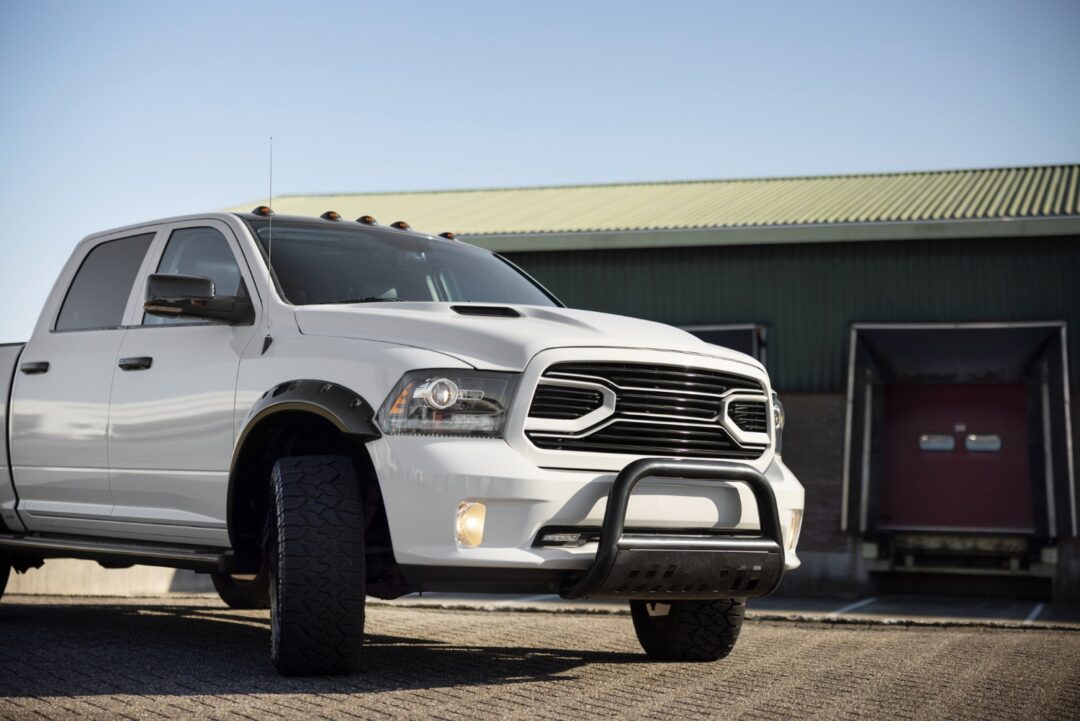
Government U-turn on double cab pickup tax
After just one week the government has u-turned on plans to classify double cab pickup trucks as cars for tax and VAT purposes which would have resulted in huge tax increases.
This U-turn comes after huge criticism from farmers and motoring industry on the plans to classify double cab pickup trucks as cars from 1 July 2024.
The rules will now be reverted to the original guidance issued on 6 April 2022.
Below is a summary of what the government was proposing before announcing their U-turn
From 1 July, HMRC have announced that double cab pickup trucks will be classed as cars for tax and VAT purposes. Currently, any pickup truck that meets the criteria of having a payload of more than 1000kg (or 1045kg with a hardtop installed) is considered a commercial vehicle. This is in line with the current VAT rules, allowing business users to reclaim tax on vans and pick-ups.
From 1 July, HMRC will abandon the payload-based definition and deem any pick-up with a second row of seats as suitable for private use and therefore a car. This is a huge change to benefit-in-kind rules and will mean that company car drivers will face a huge increase in personal tax bills for any such pickup purchased (ordered, leased etc).
Are there any exceptions?
Yes, double cab pick-ups that are permanently modified to make suitable for commercial use by removing the seats and fittings (as well as possibly replacing the rear glass with fibreglass or metal panels) will still be considered as a commercial vehicle.
Transitional arrangements
Transitional arrangements will apply for employers that have purchased, leased, or ordered a double cab pickup before 1 July 2024, whereby they will be able to rely upon the previous treatment until the earlier of disposal, lease expiry, or 5 April 2028. The position prior to 1 July 2024 remains unchanged as outlined at EIM23150.

More similar articles